Cycle Superhighway: Hyde Pk + St James Park
Client: The Royal Parks (TRP)
Work stages: RIBA 2-7. 2017–2021
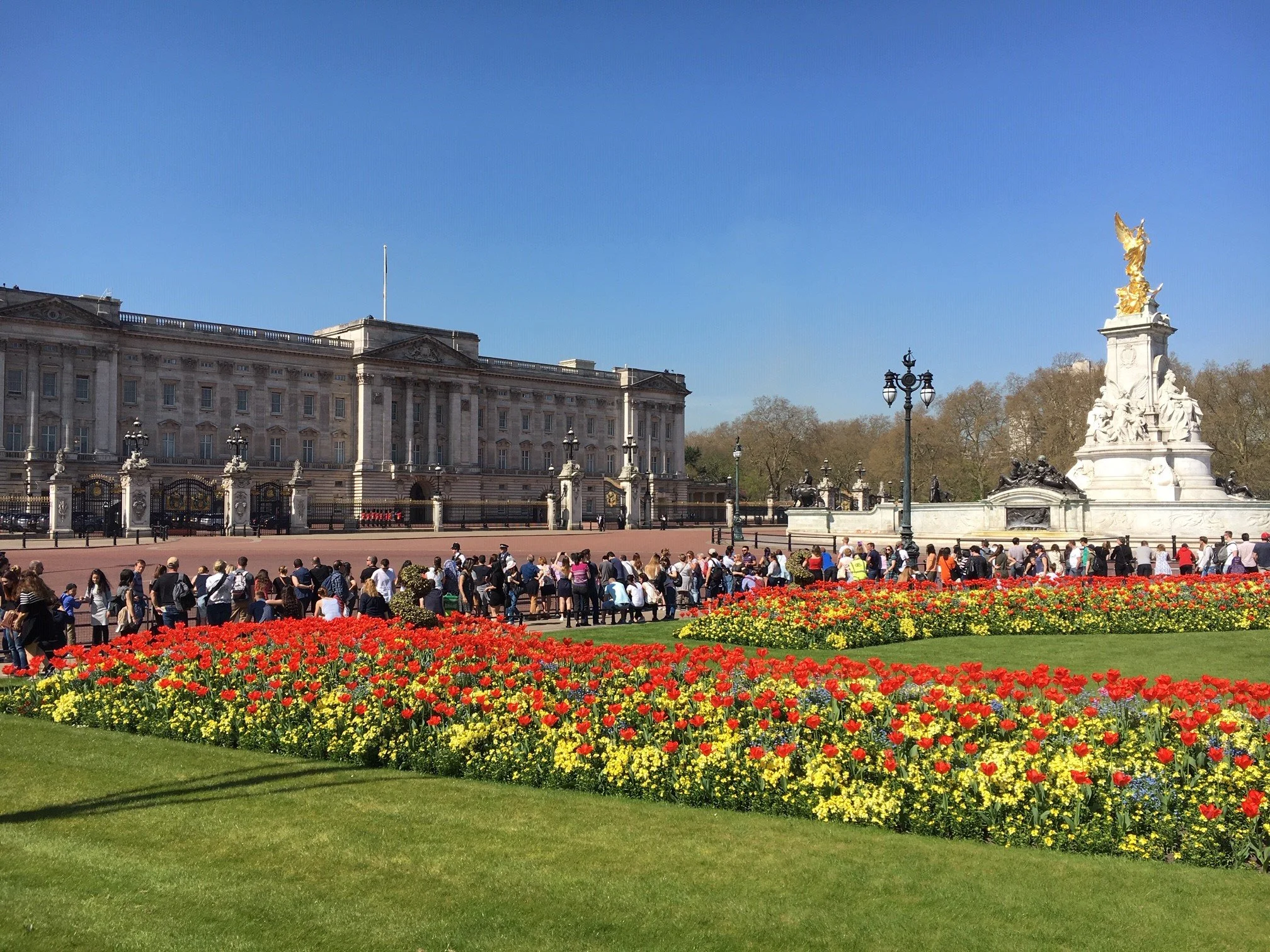
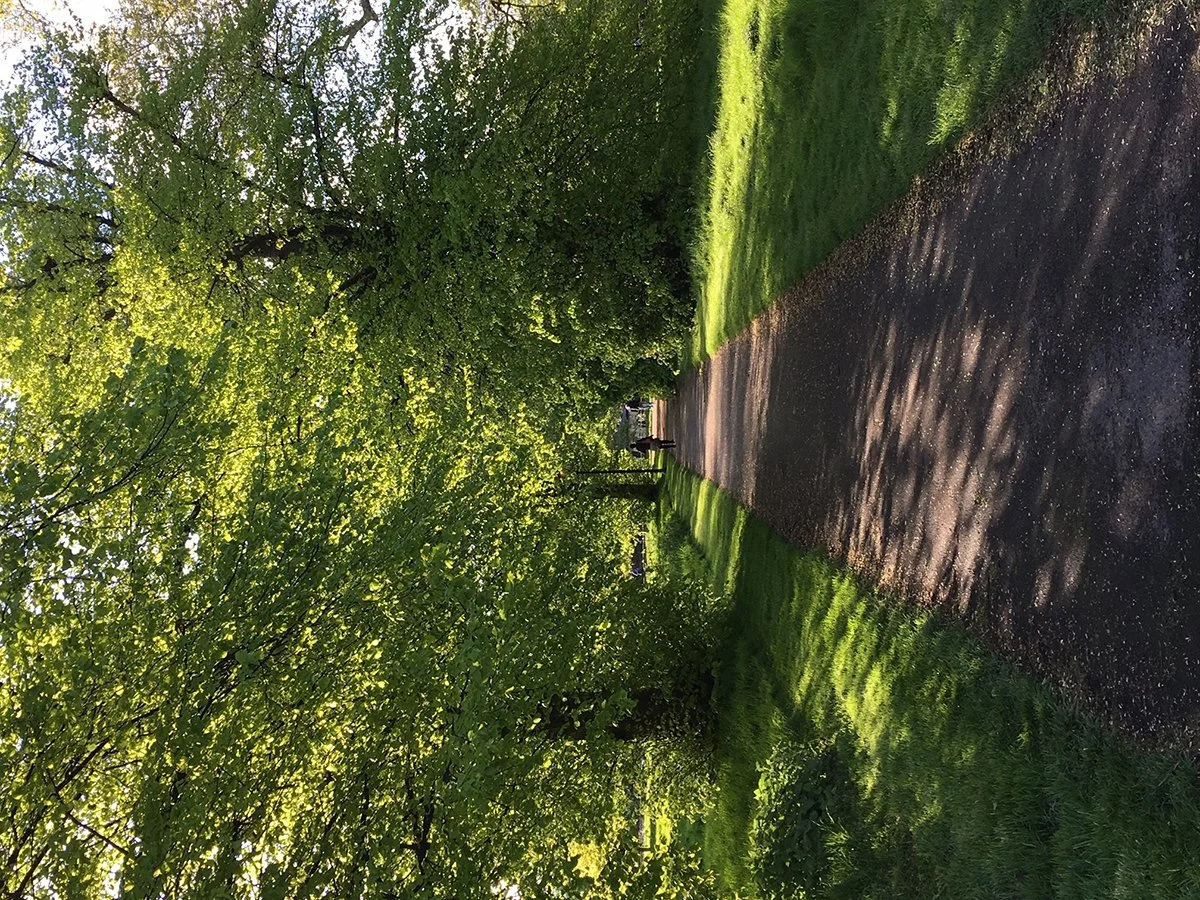
A ten-fold increase in cycling within the Royal Parks created pressure on historic landscapes and pedestrian routes. Transport for London identified Hyde Park and St James’s Park as essential links within the central cycle network. This requiring sensitive integration of new cycle routes into the Grade I listed landscapes.
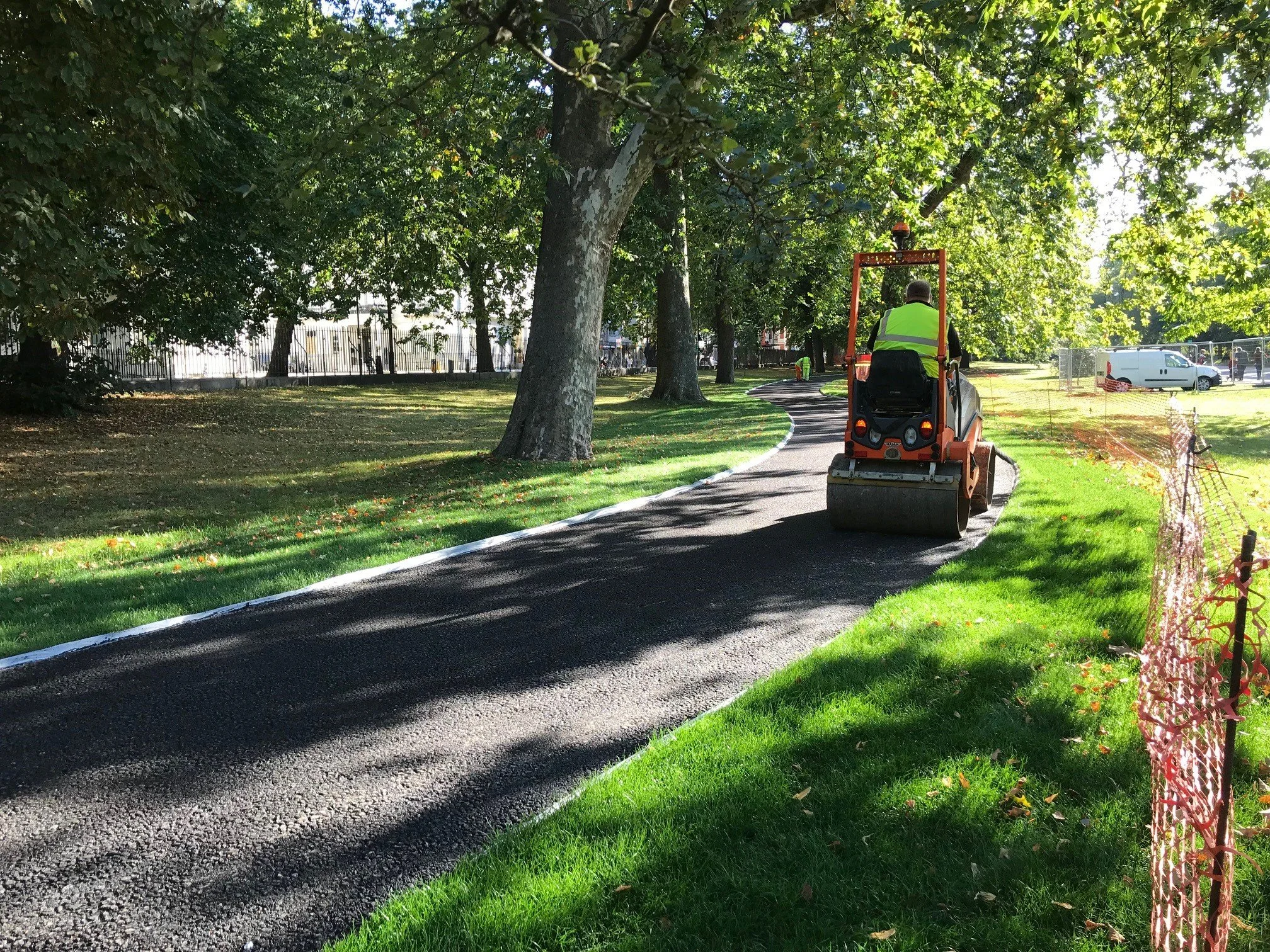
SPLA was appointed to manage multi-million TfL’s Cycle Superhighway scheme on behalf of The Royal Parks. Sally coordinated TfL and Royal Park stakeholders to guide concept proposals into place-sensitive solutions that improved pedestrian and cycle movement, respected the historic environment and added wider value such as suds and habitat creation.
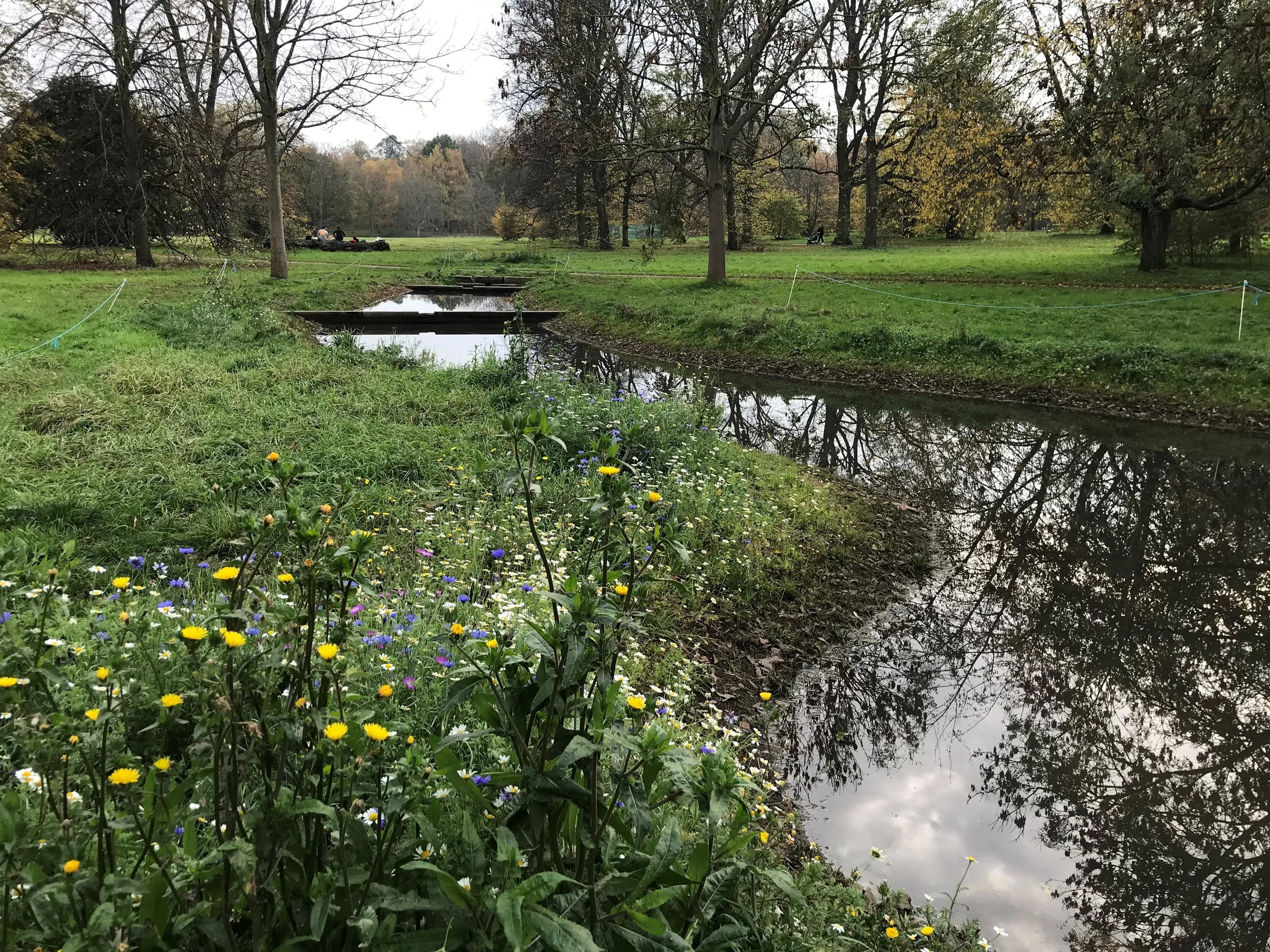
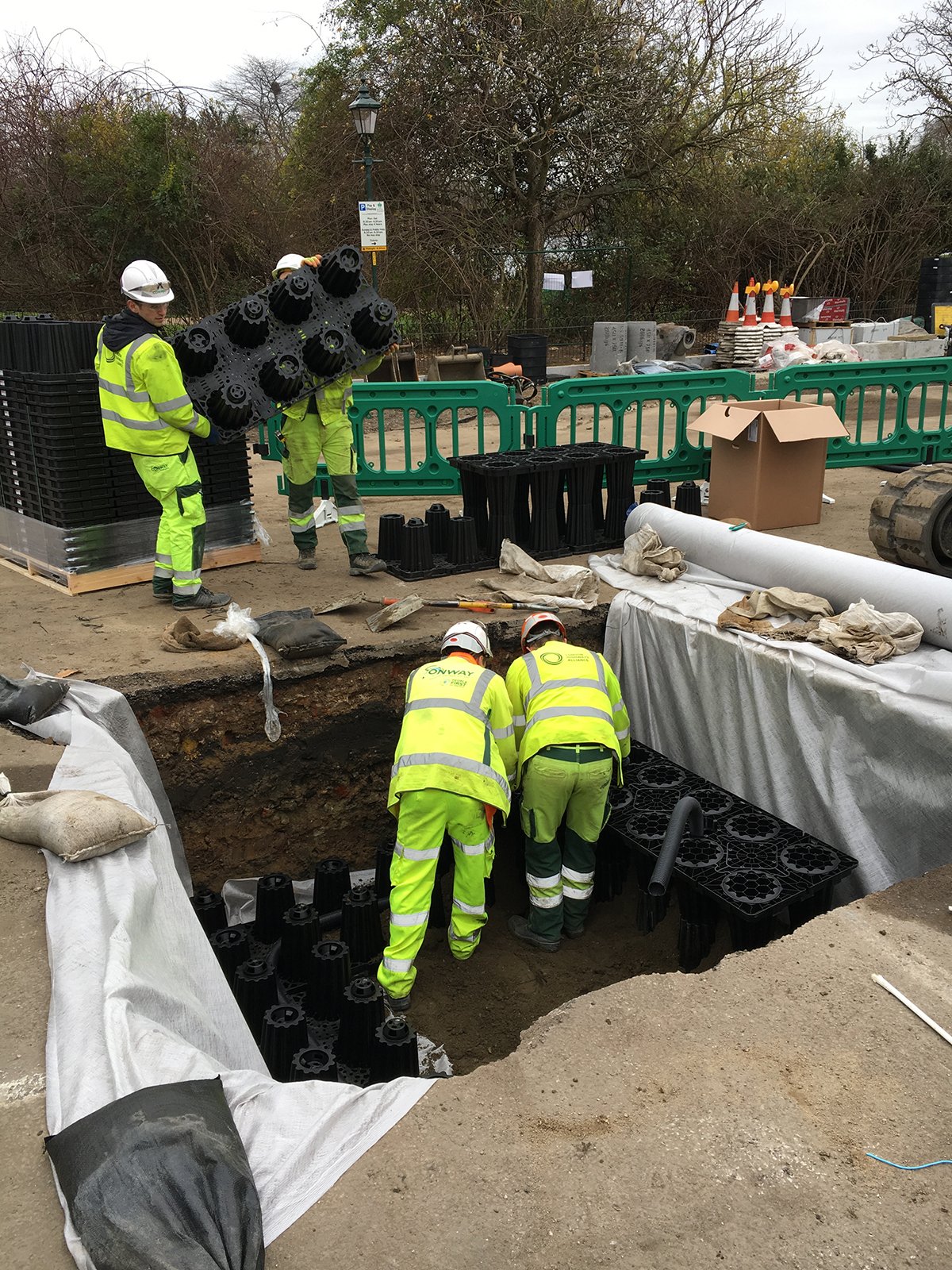
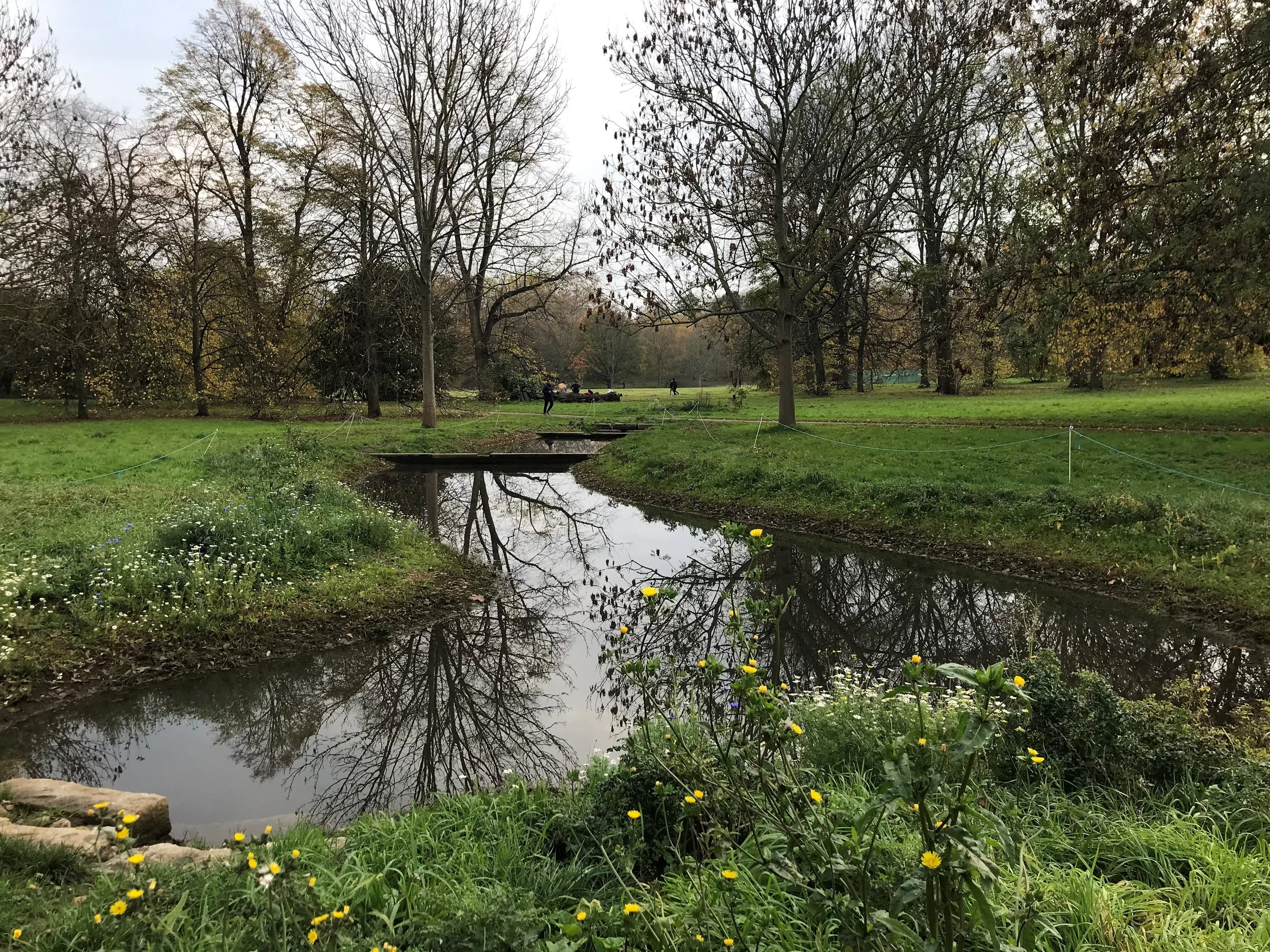
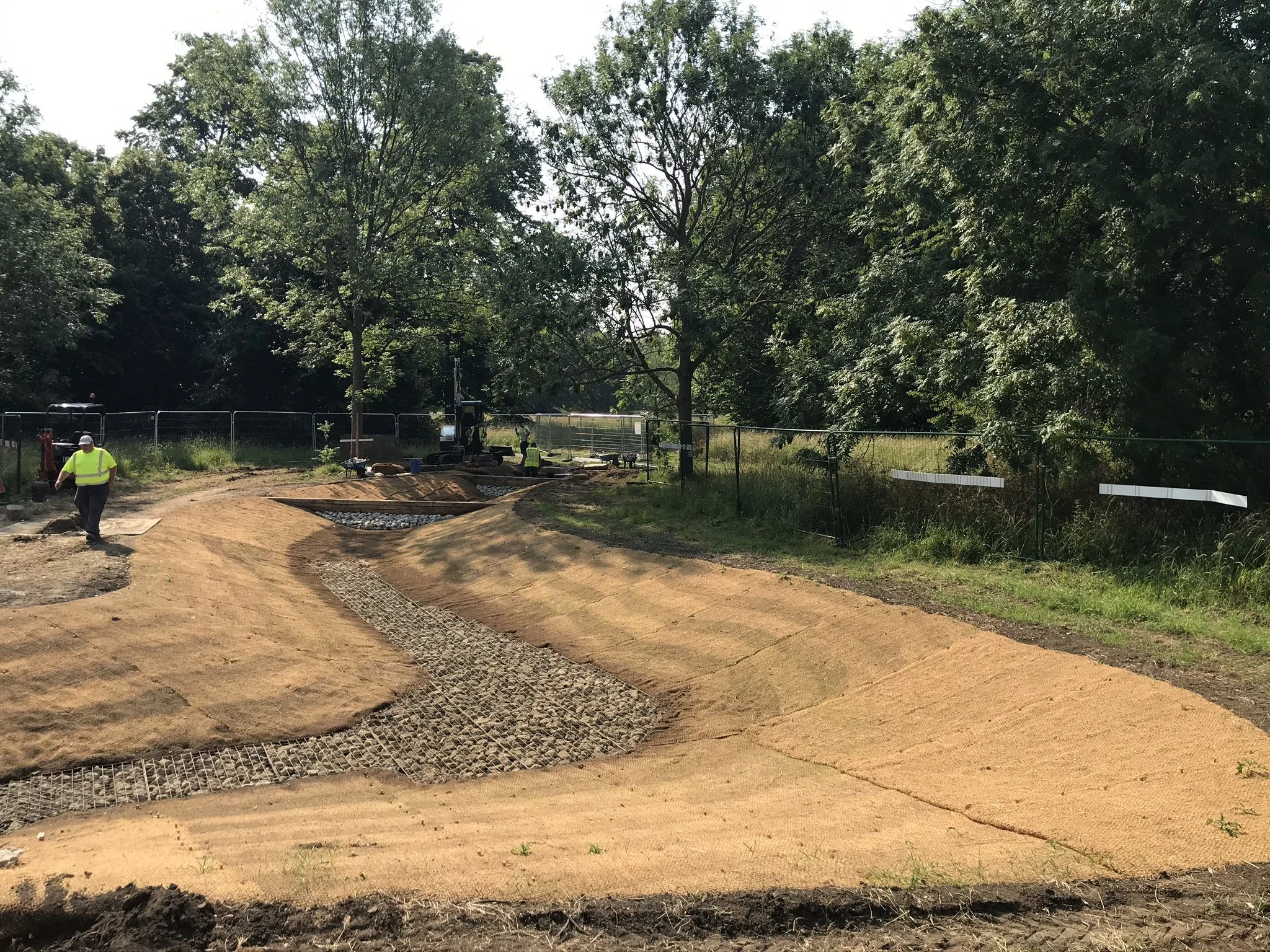
We added significant value through creative problem-solving aligned with The Royal Park’s long-standing sustainability goals. We initiated a new SUDS system capturing surface water from a flooding Carriage Drive and diverting it to a seasonal wetland habitat, improving water quality before it enters the Serpentine. We influenced design in many areas, thus improving the setting of heritage elements, such as listed gates and monuments.
Core Services
Design Review & Masterplanning: Route analysis, option development and agreement of preferred routes and alignments; design of landscape-led modifications to create more sensitive schemes.
Landscape Design: Hard and soft landscape detailing, integrating ecological constraints and opportunities into TfL’s plans detailed design for soils, drainage, SUDS, and no-dig solutions around mature trees.
Cost & Risk Management: Construction cost review, mitigation of long-term financial liabilities, and negotiation of maintenance responsibilities.
Stakeholder Engagement: Coordination with TRP staff teams,) trustees, events teams, statutory consultees, and public groups including the Pedestrian & Cycling Liaison Group.
Site Management: Working on a complex, live site with all areas remaining open and accommodating major events hosted during construction phases.
Heritage & Archaeology: Designing sensitively within Grade I landscapes and managing archaeological constraints.